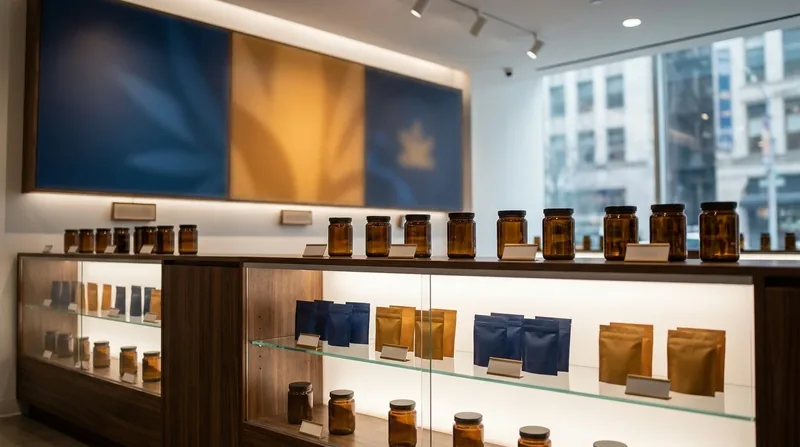
How to Open a Hemp or CBD Store in Texas: DSHS Retail Registration
How to Open a Hemp or CBD Store in Texas: DSHS Retail Registration
Texas allows retail sales of hemp-derived products, but only under strict state regulation. If you want to sell hemp or CBD products in Texas, you must register with the Department of State Health Services (DSHS) and comply with Health and Safety Code Chapter 443. This guide walks you through the process, requirements, and what to expect.
What Is Hemp Retail in Texas?
Under Texas law, "hemp" means cannabis with no more than 0.3 percent delta-9 THC by dry weight. Retail hemp registration allows you to sell hemp products directly to consumers. This is different from manufacturing or distributing hemp products, which require separate licenses.
Important: Delta-8 THC, delta-10 THC, and THCP are classified as controlled substances in Texas. The Texas Supreme Court ruled in May 2026 (Sky Marketing v. State) that delta-8 is illegal. DSHS rules banning these compounds took effect July 31, 2026. Do not stock these products. Total-THC (THCA) rules have been subject to court challenges; check the current status with DSHS and the court docket before opening.
What You Need Before You Start
Before applying for DSHS retail registration, gather or establish the following:
- Business structure: An LLC, corporation, or sole proprietorship. You will need an EIN from the IRS and, for an LLC or corporation, a Certificate of Formation filed with the Texas Secretary of State ($300 fee).
- Physical location: A retail storefront address in Texas where you will sell products. This must be a real street address, not a P.O. box.
- Proof of location control: A lease, deed, or written permission from the property owner showing you have the right to operate at that address.
- Identification: Personal ID for all owners, officers, and managers. DSHS requires this during the registration process.
- Initial product inventory: Hemp products you plan to sell, each with a valid Certificate of Analysis (COA) from a third-party lab. The COA confirms the product meets the 0.3 percent delta-9 THC limit.
- Compliant product labels: Labels on all products must include a warning that the product contains hemp-derived cannabinoids and that sale to anyone under 21 is prohibited. Labels must also provide a way for consumers to access the Certificate of Analysis.
- $5,000 registration fee: Cash, check, or electronic payment. This is an annual fee per retail location.
- Understanding of local rules: Some Texas cities and counties restrict or prohibit hemp retail. Check with your city and county before leasing a space.
Step-by-Step: Getting Your DSHS Retail Hemp Registration
Step 1: Verify Your Product Compliance
Before you do anything else, test your inventory. Every hemp product you sell must have a current, valid Certificate of Analysis from a Texas-licensed laboratory. The COA must show that the product contains no more than 0.3 percent delta-9 THC by dry weight. Do not assume products from a supplier are compliant; verify the COA yourself. DSHS inspectors will check this during audits.
Do not stock delta-8, delta-10, or THCP products under any circumstances. These are prohibited and your registration can be denied or revoked if you sell them.
Step 2: Ensure Your Labels Are Compliant
DSHS has specific labeling rules for hemp products. Every product label must include:
- The required warnings; check the DSHS labeling page for the exact current wording before you print labels.
- A clearly visible method for consumers to access the Certificate of Analysis, such as a QR code or website URL.
- Any other label items DSHS requires (see the DSHS labeling page).
Check the DSHS website for the most recent labeling guidance before you print labels. Labeling rules have been updated, and non-compliance can block your registration or result in fines.
Step 3: Set Up Your Business Structure
Register your business with the Texas Secretary of State if you are forming an LLC or corporation. File a Certificate of Formation (Form 201 for corporations or Form 205 for LLCs) online at SOSDirect (https://direct.sos.state.tx.us/acct/acct-login.asp). The filing fee is $300. The Secretary of State does not guarantee a standard turnaround; electronic filing is the fastest route, or you can pay for Texas Express expedited service (additional fees apply).
Apply for an EIN from the IRS at no cost (https://www.irs.gov/ein). You will need the EIN for your DSHS application and for taxes.
If you are a sole proprietor or general partnership (not recommended for hemp retail due to liability), you do not file a state formation document, but you may need to file an Assumed Name Certificate with the county clerk if you operate under a name other than your own. (LLCs and corporations file with the Secretary of State for $25.)
Step 4: Secure Your Retail Location
Sign a lease or purchase an agreement for your retail space. Your application to DSHS will require proof that you control the property. The location must comply with all local zoning and land-use rules. Many Texas municipalities prohibit hemp retail entirely, or limit it to certain zones. Check your city and county ordinances before you sign anything.
Contact your city's development or planning department and your county to confirm hemp retail is allowed at your address. Some cities have blanket bans; others require a local permit in addition to state registration.
Step 5: Obtain Your Certificate of Registration from DSHS
DSHS issues Retail Hemp Registrations to individual retail locations. Visit the DSHS cannabis regulatory program website (https://www.dshs.texas.gov/consumerprotection/hemp-program) for the current application form and submission instructions. As of this writing, the application process involves:
- Completing the DSHS Retail Hemp Registration application form.
- Providing proof of business ownership or management (business license, partnership agreement, corporate bylaws, etc.).
- Providing identification for all owners and responsible persons.
- Providing proof of location control (lease, deed, or written permission).
- Submitting the $5,000 annual registration fee.
- Providing a list of products you plan to sell, with Certificates of Analysis.
Mail your application to the address on the DSHS form, or submit it electronically if DSHS accepts electronic filing. DSHS does not publish a guaranteed turnaround time, so ask DSHS about current processing. You may be asked to provide additional documentation or corrections before approval.
Step 6: Maintain Certificates of Analysis On-Site
Once you are registered, you must keep a physical or electronic copy of the Certificate of Analysis for every product you stock. Make these easily accessible during a DSHS inspection. DSHS conducts compliance audits and will check that your inventory matches your registered product list and that every product has a valid COA.
Step 7: Enforce Age Restrictions and ID Verification
You cannot sell hemp products to anyone under 21. You must verify age by checking a valid government-issued ID. Train your staff to check ID every time. This is non-negotiable; violations can result in fines and loss of your registration.
Tips and Common Mistakes to Avoid
Do Not Stock Delta-8, Delta-10, or THCP
This is the most common mistake. These compounds are controlled substances in Texas as of July 31, 2026. If DSHS finds them in your inventory, your registration will be denied or revoked, and you may face criminal charges. Check every product's Certificate of Analysis and make sure the total cannabinoid profile does not include these compounds.
Check THCA and Total-THC Status Before Opening
THCA (tetrahydrocannabinolic acid, the acidic precursor to delta-9 THC) and total-THC rules in Texas have been subject to court challenges. The total-THC rule was enjoined by a Travis County court on May 1, 2026, but the Fifteenth Court of Appeals declined to keep that injunction on June 5, 2026. Litigation continues. Before you stock THCA-rich products, check the current status with DSHS and review the latest court docket. Enforcement could change. If you sell a product that DSHS later determines is illegal, you could face penalties.
Verify Local Ordinances
Many Texas cities prohibit hemp retail or require a local permit. Do not sign a lease or pay a deposit before you confirm with your city and county that hemp retail is allowed. Some cities are considering restrictions, and what is legal today might be restricted next year.
Keep Your Registration Current
Your registration is valid for one year from the date DSHS issues it. You must renew and pay the $5,000 fee annually. If you miss the deadline, your registration will lapse and you cannot sell products until you renew.
Maintain Accurate Records
Keep records of all products sold, including date, product name, batch number, and quantity. DSHS may request these during an inspection. Also maintain records of all Certificates of Analysis. Do not rely on supplier records; keep your own copies.
Train Your Staff on Compliance
Instruct all employees on age verification, product labeling, and what products are legal to sell. Employees should know which products are prohibited and why. A staff mistake (such as selling to a minor) can result in fines for you and your business.
Manufacturer or Distributor? Different License Required
If you plan to manufacture or distribute hemp products, you will need a Consumable Hemp Product license from DSHS, not a Retail Hemp Registration. This license costs $10,000 per location per year and requires compliance with additional rules regarding manufacturing, packaging, and distribution. Consult the DSHS website or an attorney specializing in hemp law before pursuing this path.
Expected Results and Timeline
If your application is complete and compliant, DSHS does not publish a guaranteed turnaround for the Retail Hemp Registration. Once you receive your Certificate of Registration, you can begin selling hemp products at your retail location.
However, applications often require additional documentation or corrections, which can extend the timeline. Ask DSHS about current processing times, and plan extra time to set up your business structure and retail location.
Your first year of operation involves compliance risk. DSHS may conduct inspections to verify your products are compliant, your labels are correct, your age verification procedures are working, and your inventory matches your registered product list. Prepare for the possibility of an unannounced inspection.
Other Licenses and Permits You May Need
In addition to DSHS Retail Hemp Registration, check whether you need:
- Sales tax permit: Texas requires most retailers to register for a Sales and Use Tax Permit from the Texas Comptroller of Public Accounts (no fee, typically issued in two to three weeks). Visit https://comptroller.texas.gov/taxes/permit/.
- Local hemp permit or business license: Some cities require a local permit or business license in addition to DSHS registration.
- Assumed Name Certificate: If you operate under a business name other than your legal name, file an Assumed Name Certificate. LLCs and corporations file with the Texas Secretary of State ($25); sole proprietors and general partnerships file with the county clerk.
Important Legal Disclaimer
This article is for informational purposes only and does not constitute legal or tax advice. Hemp and CBD regulations are complex and subject to change. Before you open a hemp retail business, consult with a qualified attorney who specializes in hemp law and a CPA familiar with hemp business taxation. Regulations at the federal, state, and local levels can affect your business, and non-compliance can result in civil penalties, fines, and criminal liability.
Also note that hemp-derived products are still subject to federal regulations under the Farm Bill. Federal law permits hemp with not more than 0.3 percent delta-9 THC, but FDA enforcement and future changes to hemp regulations are possible. Stay informed about both state and federal rules.
Next Steps
If you are ready to open a hemp retail business in Texas, start by verifying that your intended location is allowed by local ordinance, then consult an attorney and a CPA to set up your business structure. Once your LLC or corporation is established and your retail location is secured, gather your product inventory and Certificates of Analysis, ensure all labels are compliant, and submit your DSHS Retail Hemp Registration application with the $5,000 annual fee. Ask DSHS about current processing times, and prepare for compliance audits once you receive your registration.